The Project
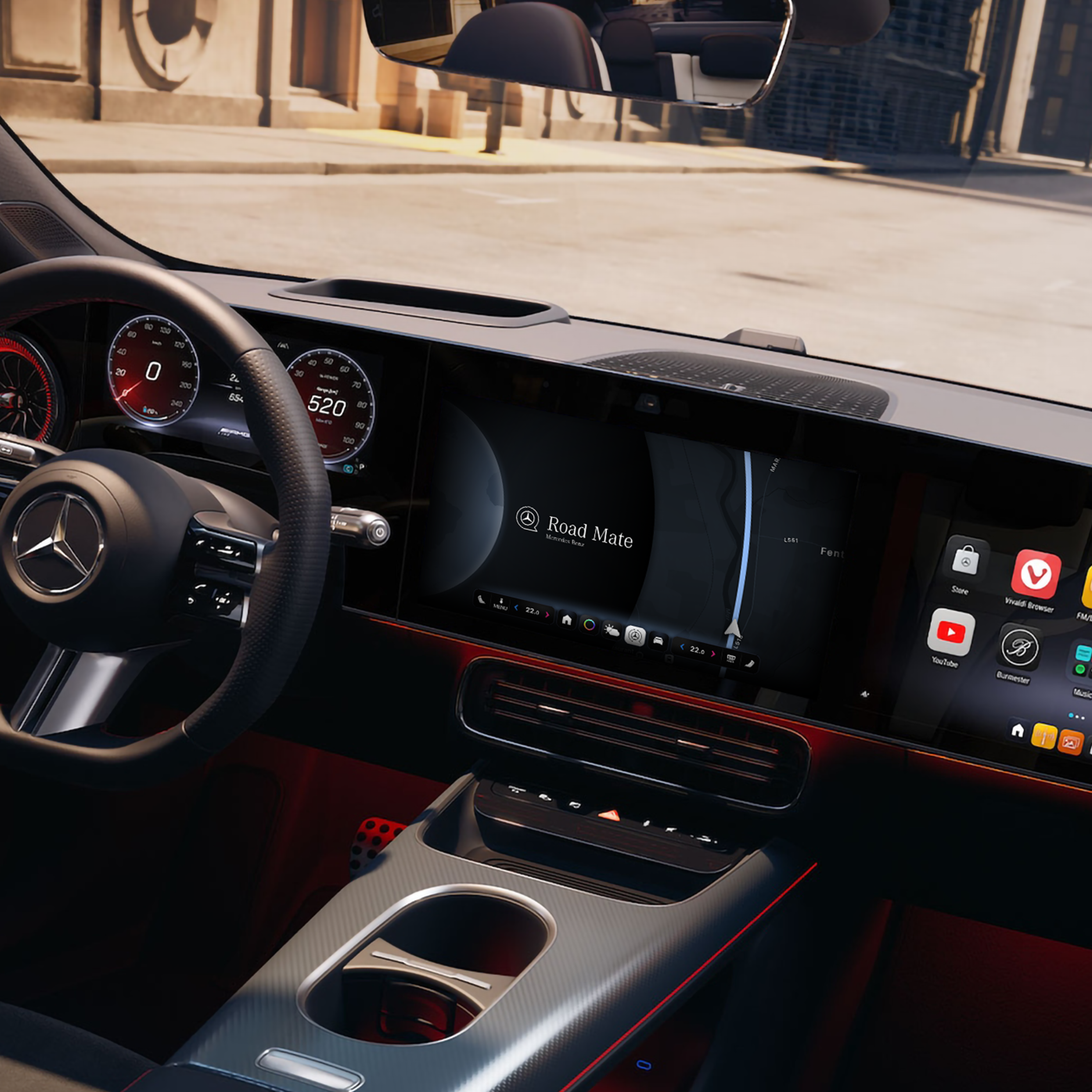
Our university has a partnership with Mercedes-Benz for several years now. Therefore, in the second semester of the Interaction Design MA programme, students have a course, where their project is to design for these car’s user interface and present it for the UX team of the company. It was a great opportunity and an out-of-box design challange, where we had to distance ourselves from the regular mobile apps.
The Procress
Field Research
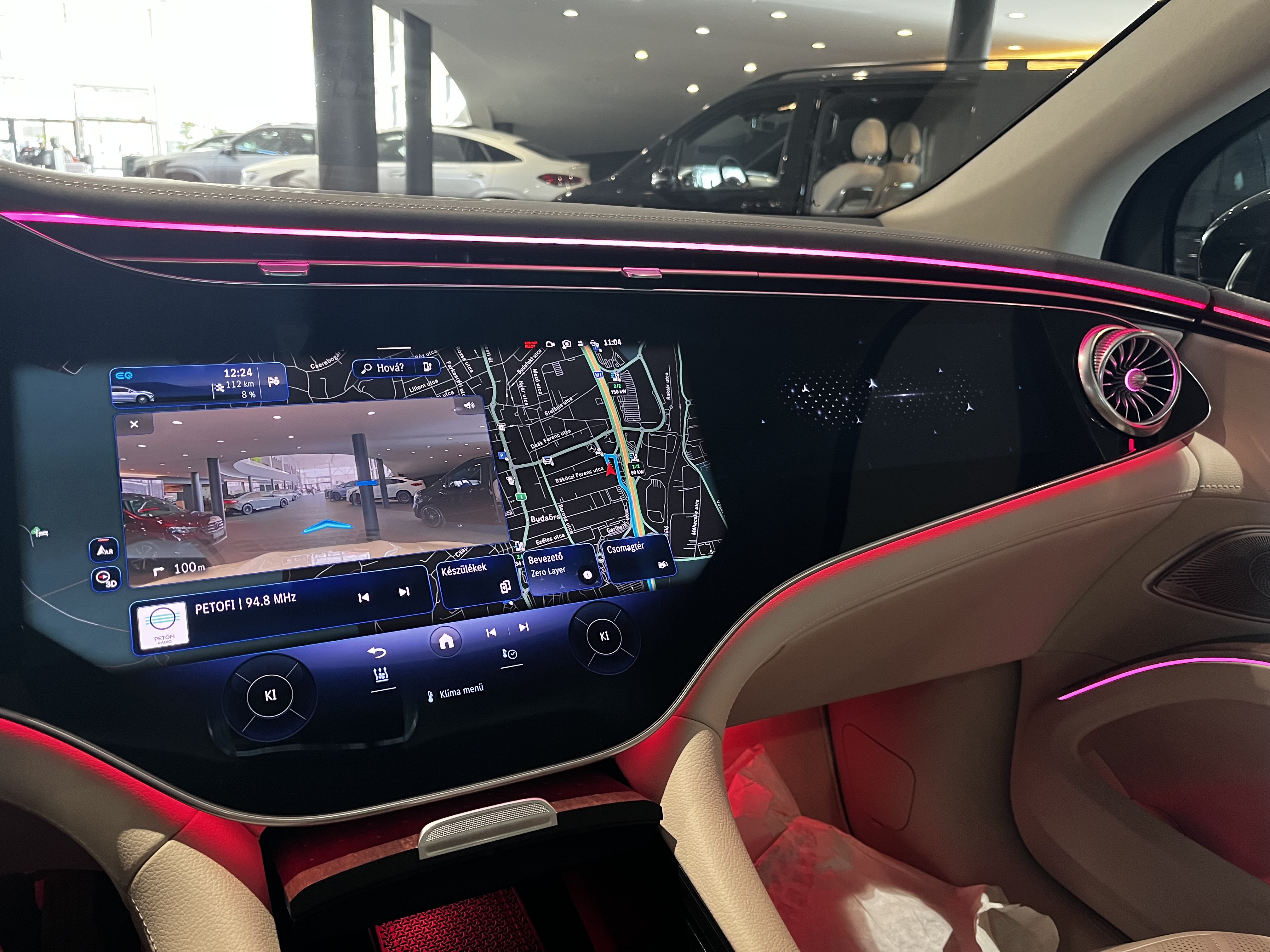
We started our work by visiting the Mercedes-Benz Dealership in Hovány, to try out the user interface of the cars. Thereby, we got a deeper insight into the technology we are working with, and found the possibilities that hasn’t been taken advantage of. We also had the opportunity to talk with the dealers there, to get a picture of the customer base and their needs.
Brainstorming

Value Proposition
User Personas
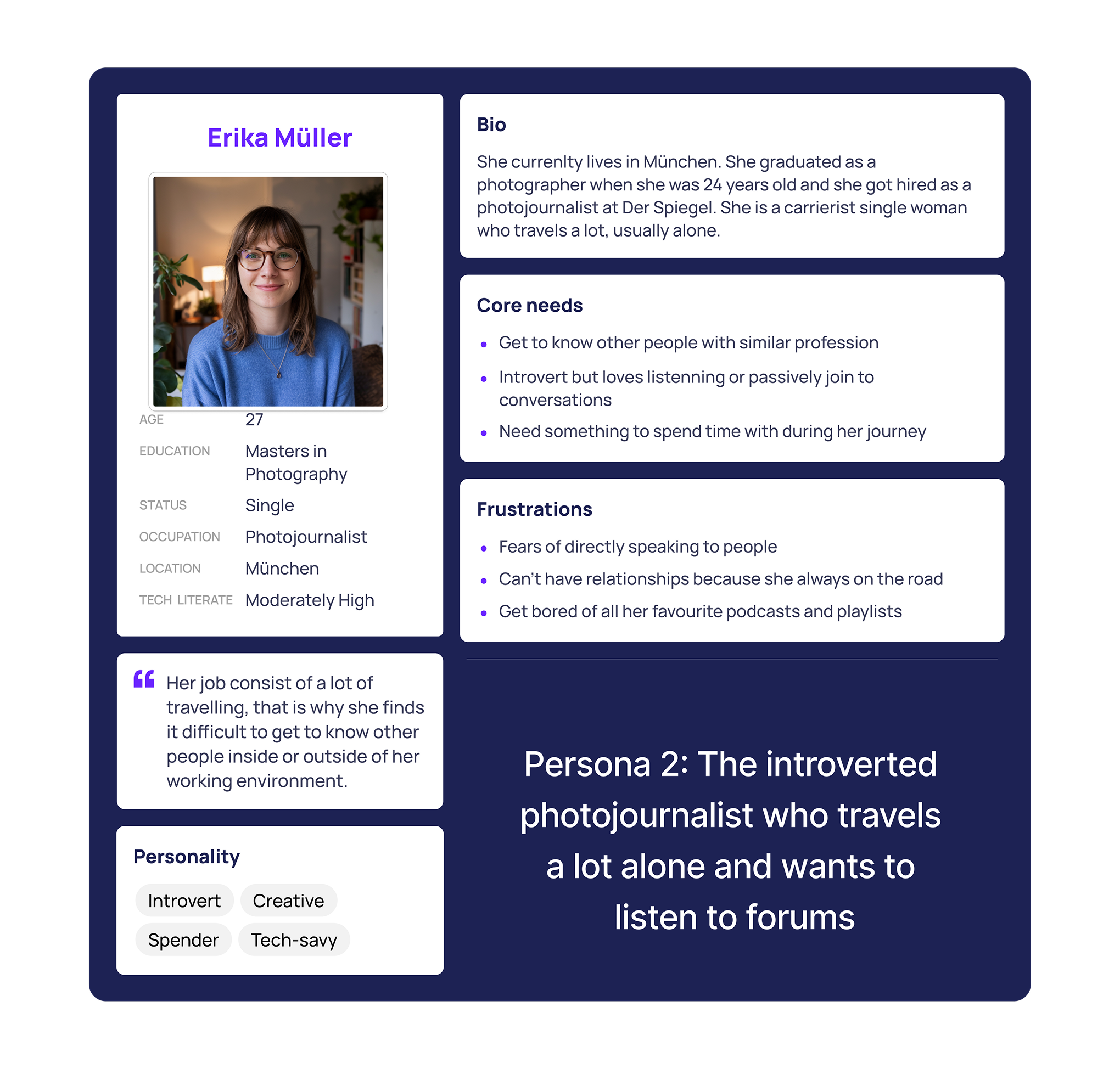
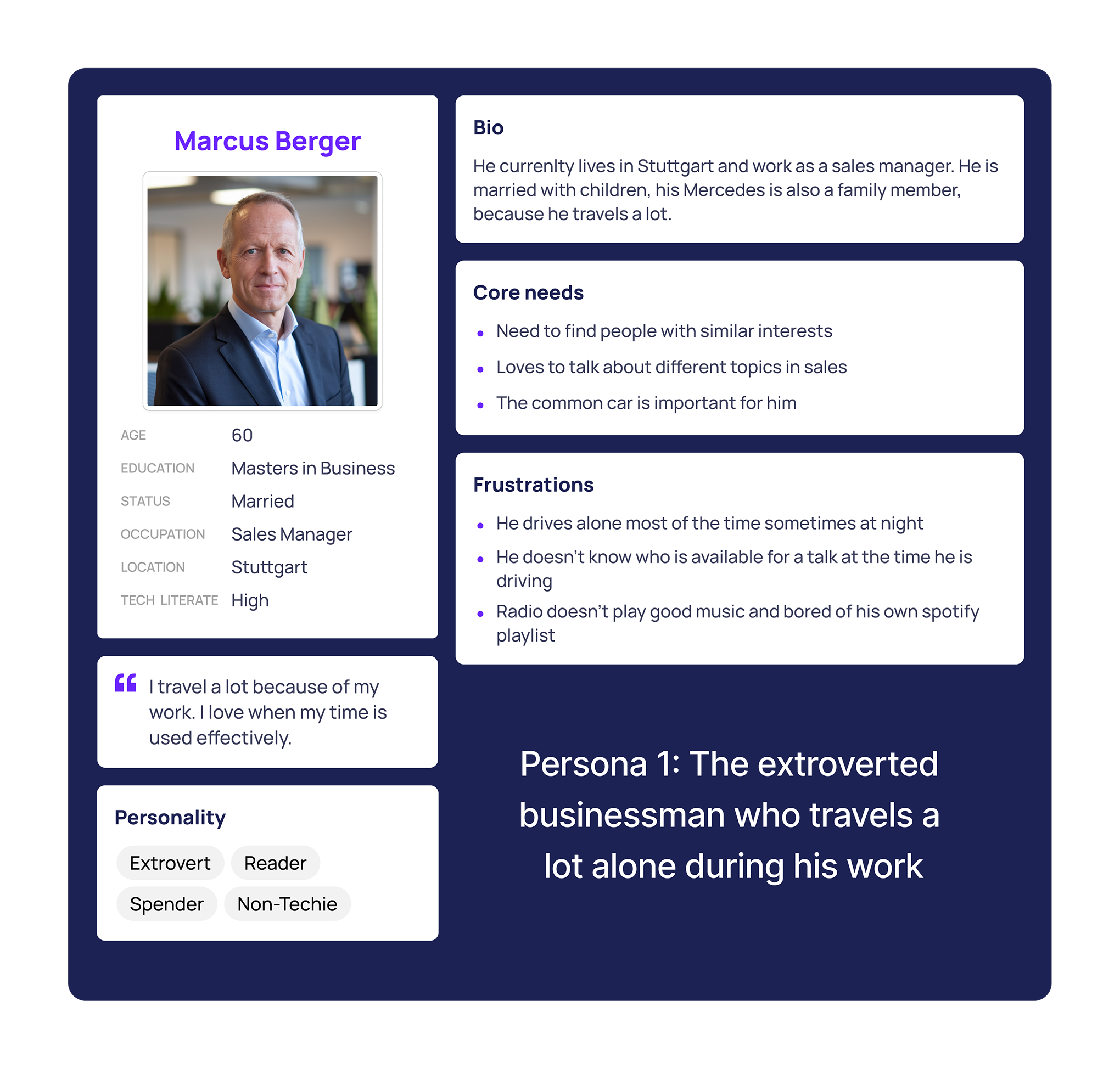
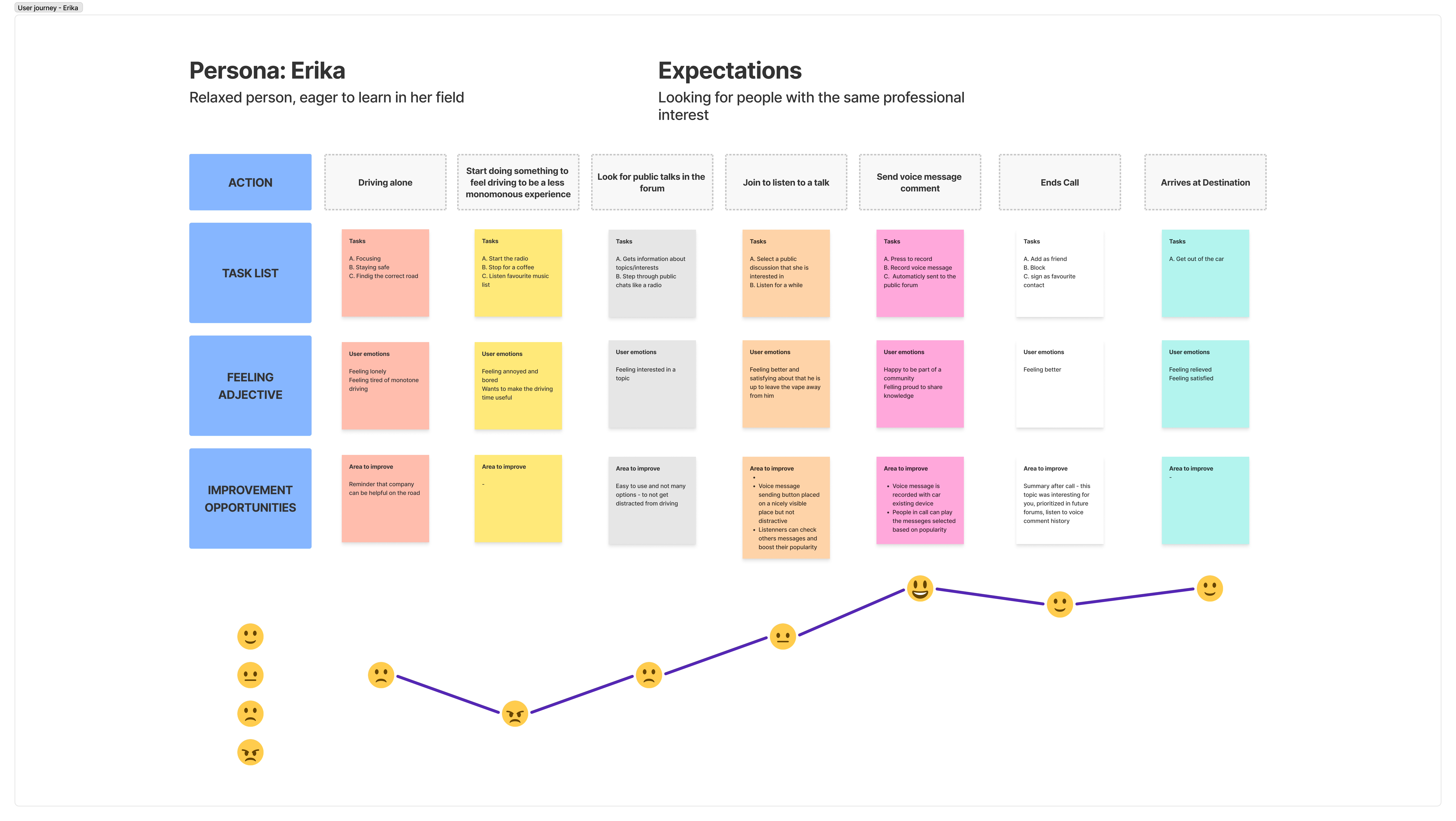
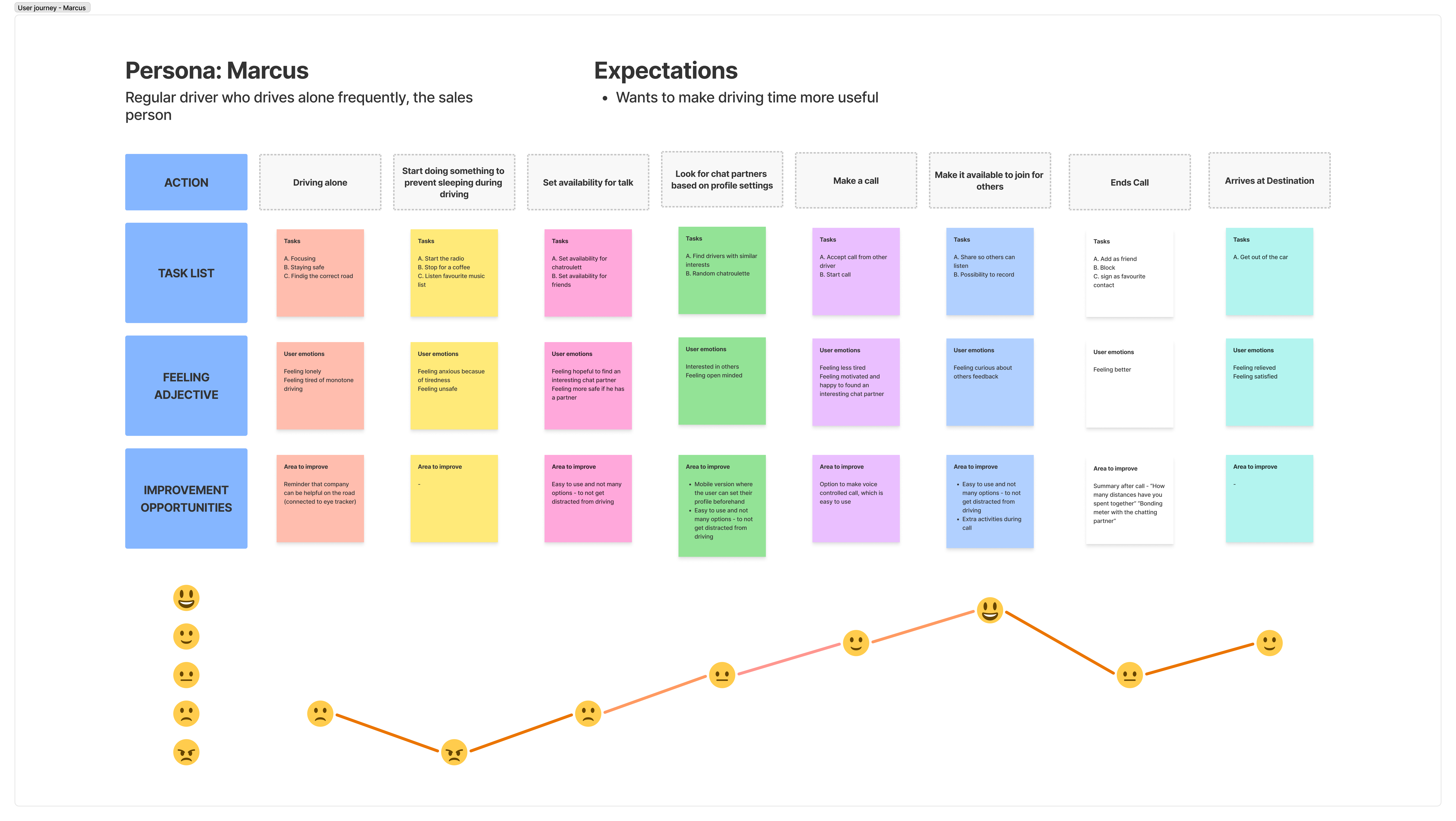
User Journeys
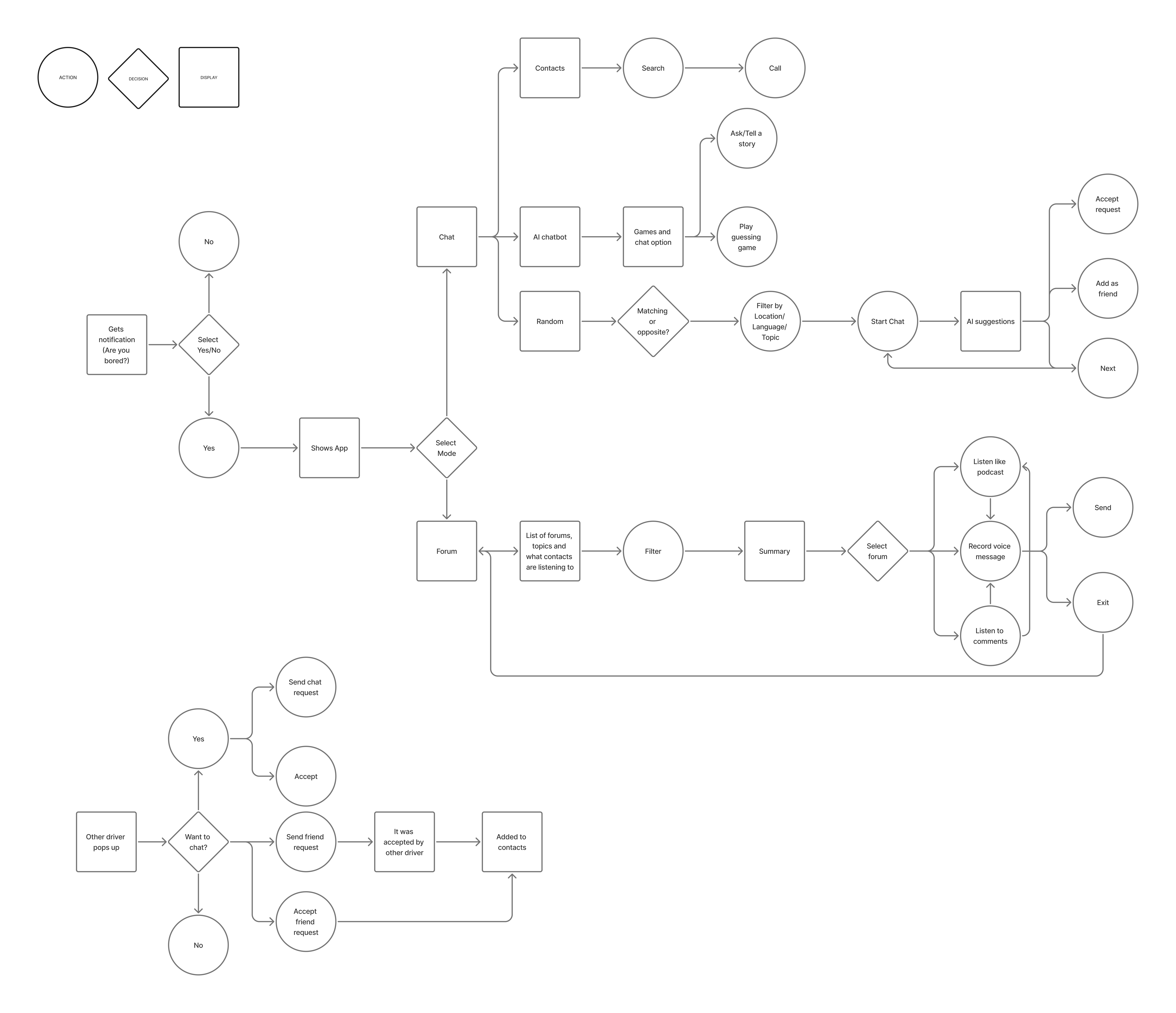
Userflow
Paper Prototypes
The Result
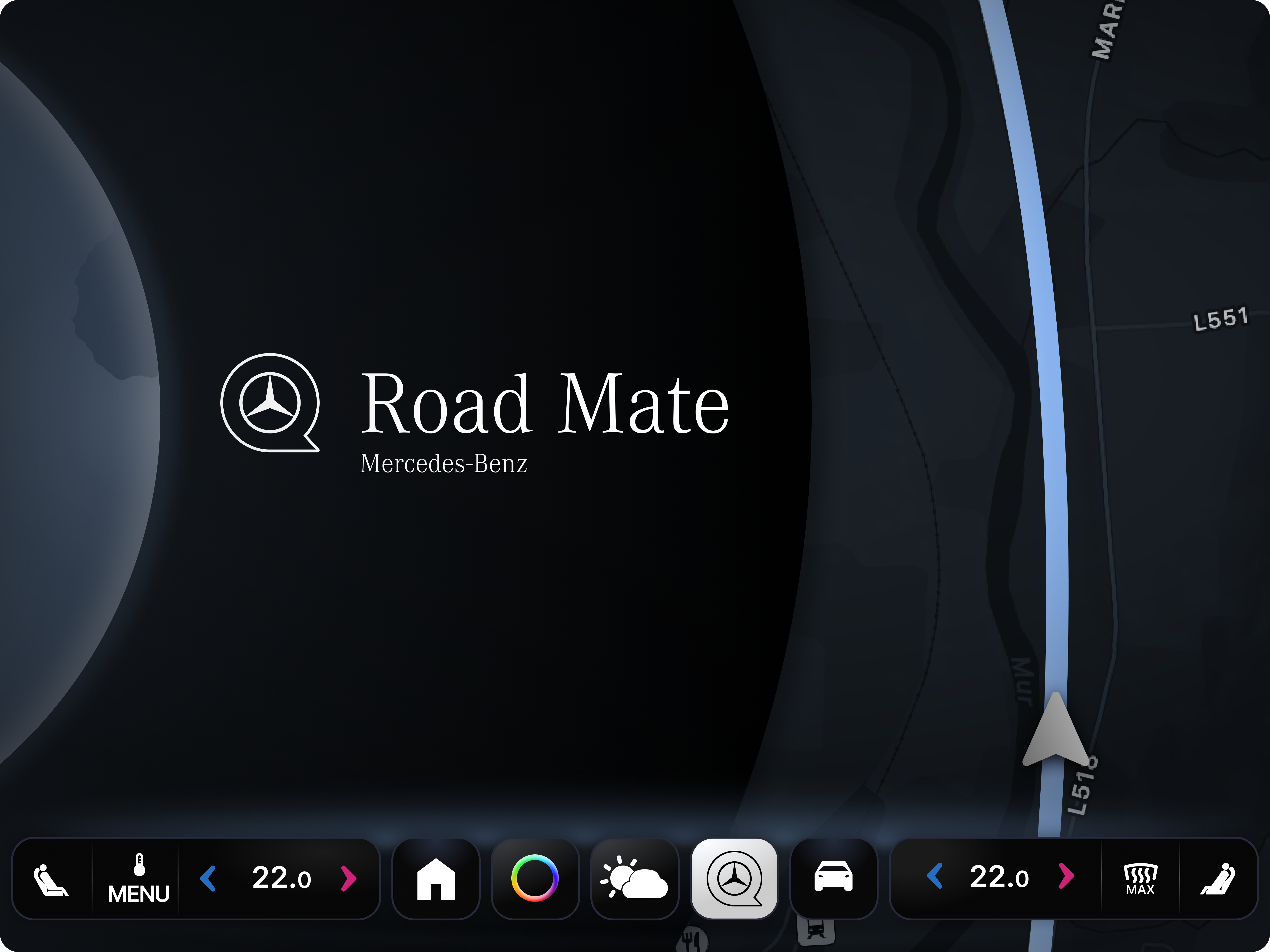
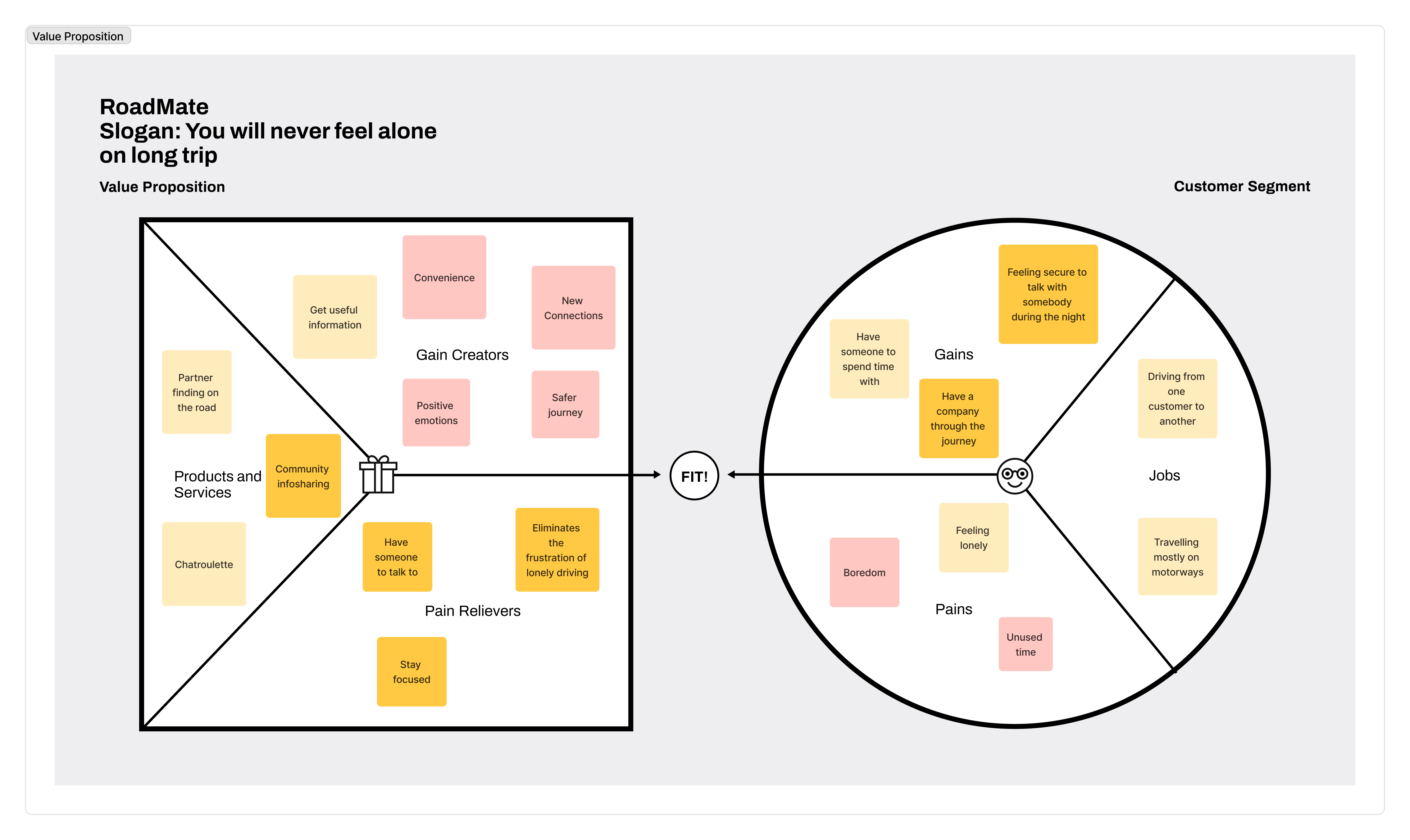
With our concept, we wanted to focus on lonely drivers, to keep them entertained in a useful and non-distruptive way. Having a company through the road not only makes it more fun but also helps drivers staying awake, during long, monotoneus journeys, and it can help them feeling safe, if driving makes them nervous and anxious. While in real-life unfamiliar people are not really a used to talk with eachother anymore, they are still seeking partners and communities on many platforms in the online space.
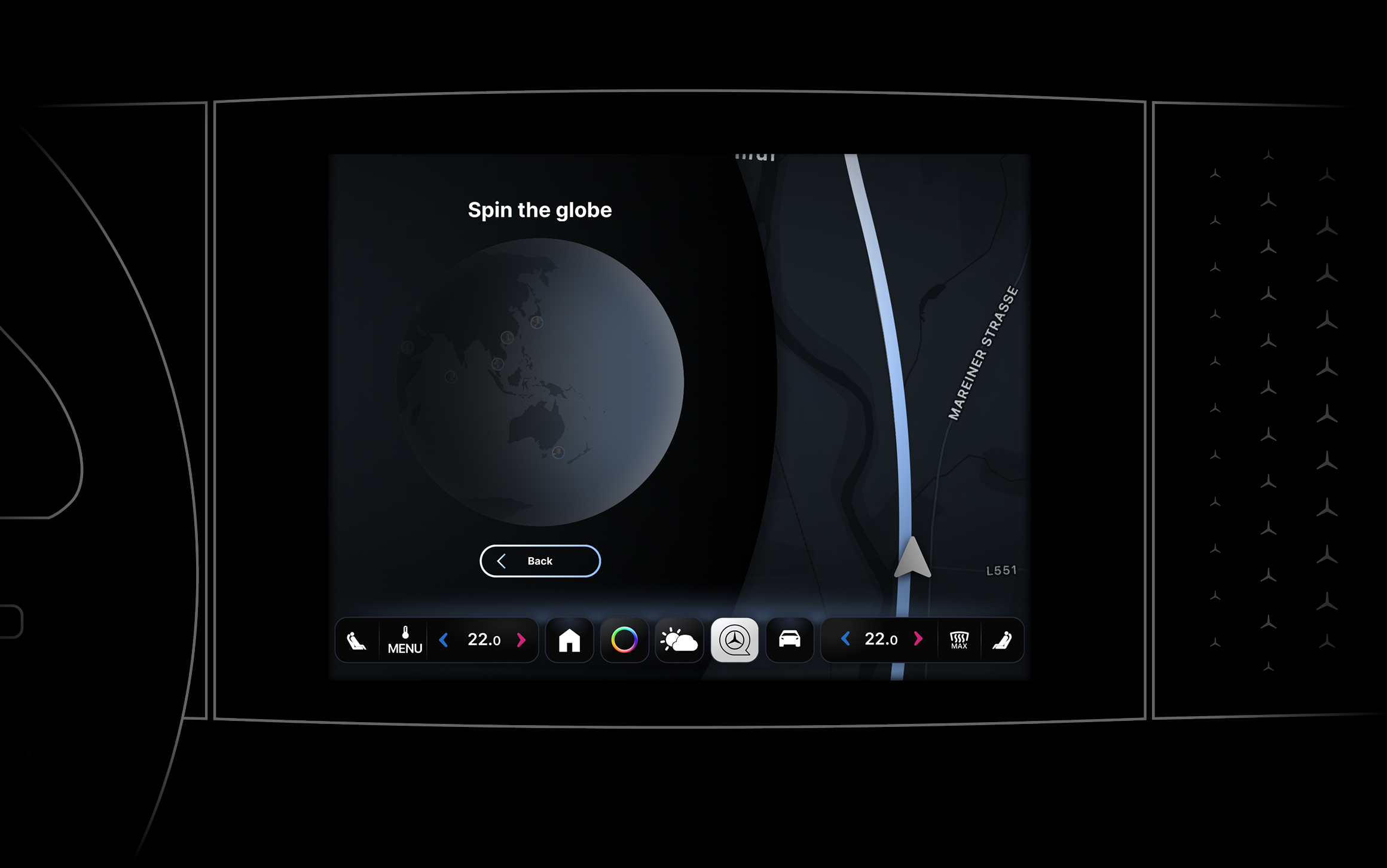
Random Chatpartner Selection
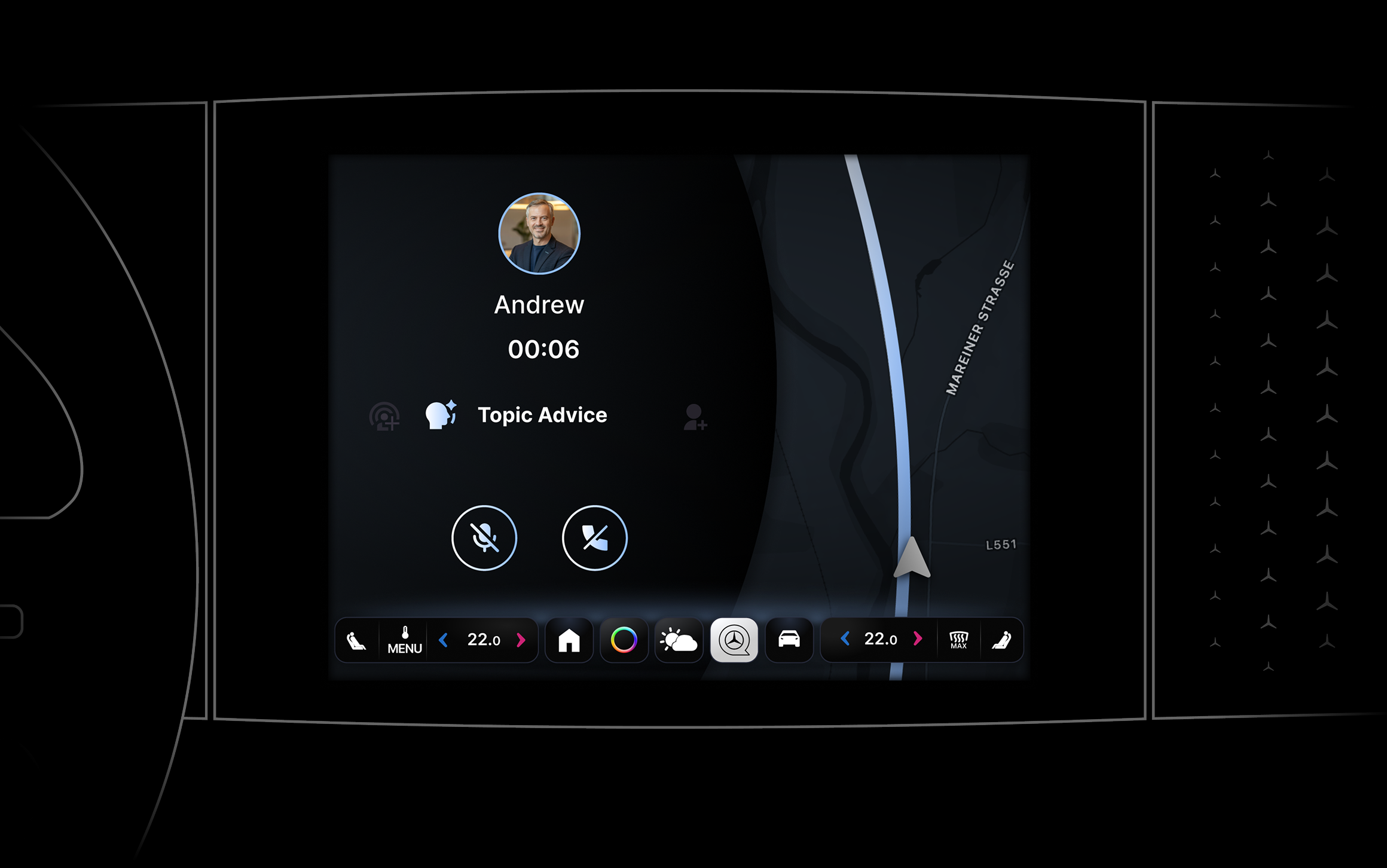
Voicechat with AI Generated Topic Recommendation

Summary of the Conversation and Partner Addition

Broadcasting with your Chatpartner
RoadMate transforms long, lonely drives into safe, meaningful journeys by connecting solo drivers with like-minded companions through real-time voice chats and interactive audio forums. RoadMate helps them stay alerted, feel supported, and enjoy the ride without ever feeling alone. The system intelligently prompts users when signs of tiredness are detected.
The Presentation
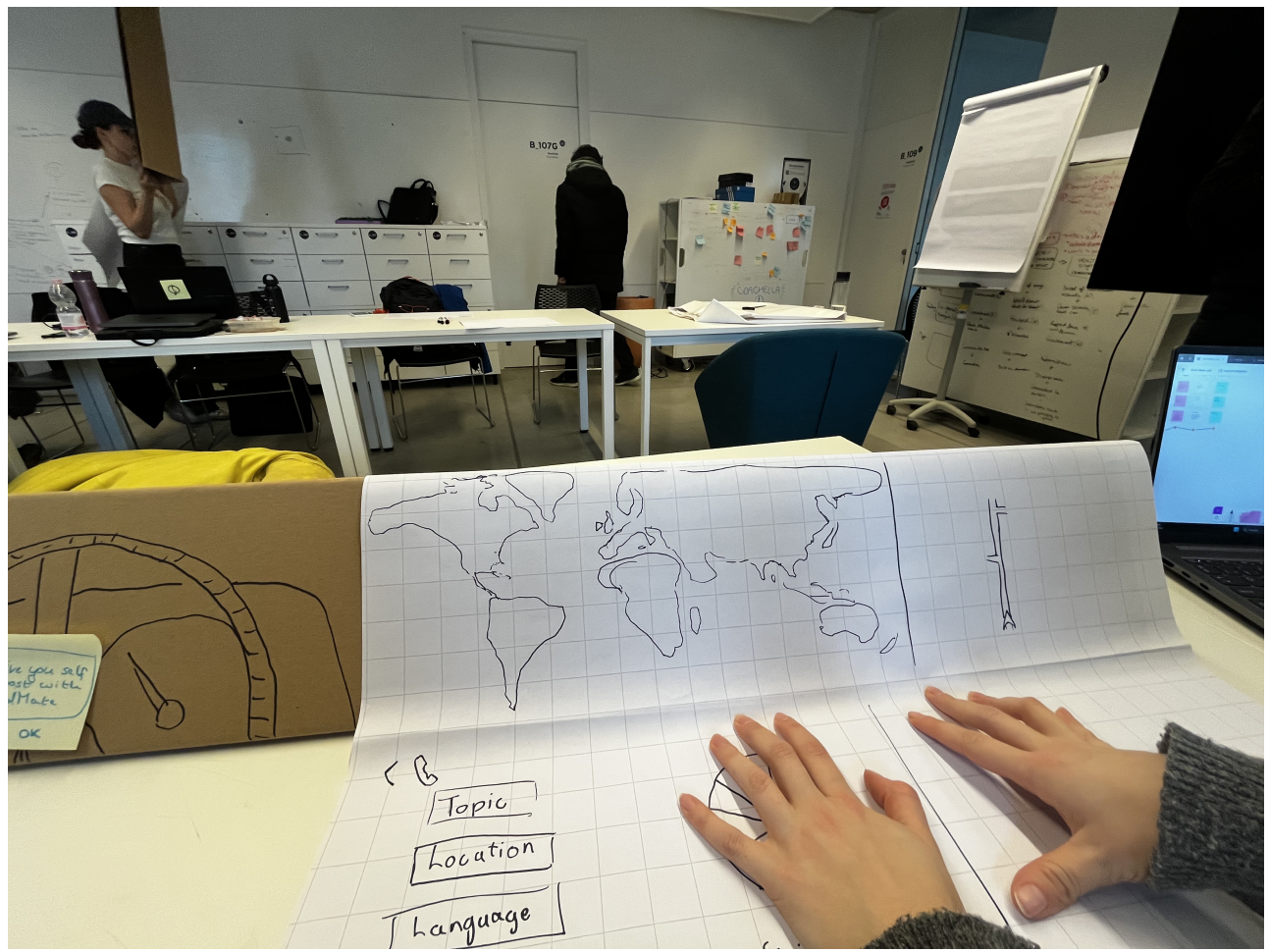
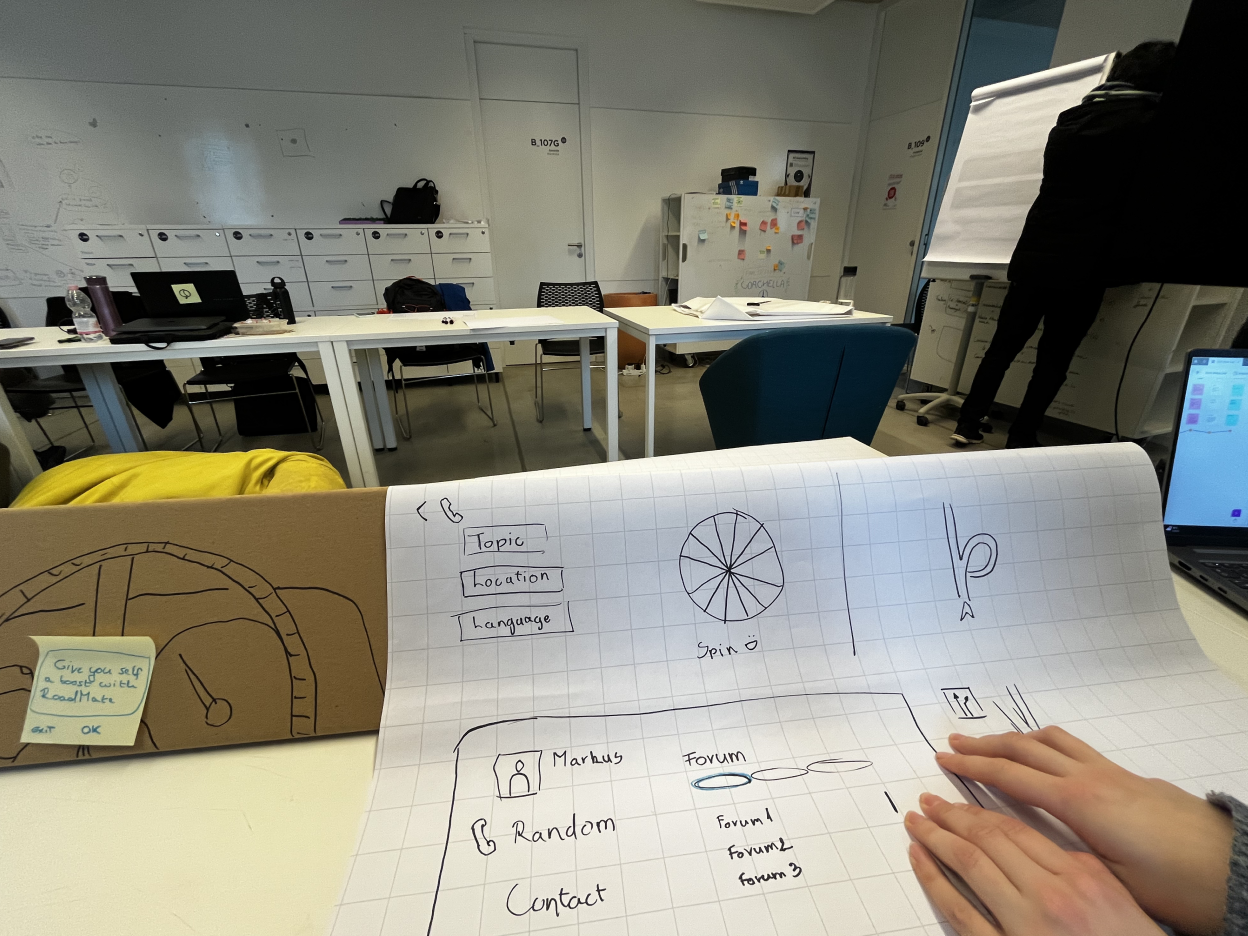
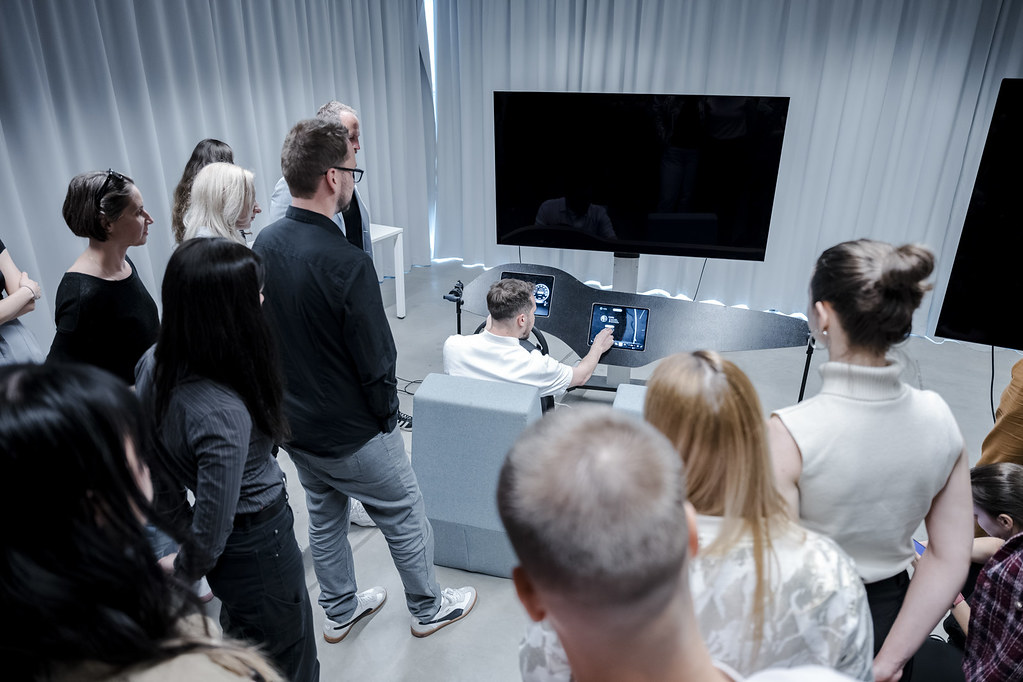
For our final presentation, we invited the UX team from the Mercedes Benz Headquarters in Stuttgart. We showcased them our prototypes on tablets in an installation that follows the design and sizes of the dashboard to visualize how would it work on the real in-car interface.
View Prototype